

square mirror with lights
Understanding Internal Taper Gauges A Comprehensive Overview In the realm of precision measurement tools, the internal taper gauge stands out as an essential instrument for assessing the internal diameters of tapered holes, tubes, and various other components. This specialized gauge not only ensures the accuracy of production processes but also maintains the quality and reliability of finished products in industries like manufacturing, automotive, and aerospace. What is an Internal Taper Gauge? An internal taper gauge is a measuring device specifically designed to measure the internal dimensions of tapered openings. It typically consists of a tapered rod with calibrated markings and an adjustable mechanism that enables the user to accurately assess the diameter at different points along the taper. The primary design of this gauge allows it to fit various internal shapes, providing versatility in measurement. Applications of Internal Taper Gauges These gauges are commonly used in scenarios where precision is crucial. For example, in the automotive industry, internal taper gauges are critical for measuring components such as fuel injectors, exhaust pipes, and various fittings. In aerospace, these gauges ensure that components like turbine casings and fuel systems comply with stringent specifications. Such precision is necessary not only for proper fit but also for the overall safety and performance of the systems involved. How to Use an Internal Taper Gauge Using an internal taper gauge requires a careful procedure to ensure accurate results . Here are the basic steps involved 1. Preparation Before using the gauge, ensure it is calibrated and clean. Any debris or corrosion can affect measurement accuracy. 2. Insertion Carefully insert the tapered end of the gauge into the opening you wish to measure. It should fit snugly but not forcefully. 3. Adjustment Adjust the gauge to make contact with the internal surface of the taper. The gauge should be rotated gently to secure a proper fit against the interior walls. internal taper gauge 4. Reading Measurements Once adjusted, read the measurement from the calibrated markings. Depending on the design, some gauges may offer digital readouts, while others rely on manual markings. 5. Recording Document the measurement for future reference or quality control purposes. Advantages of Using Internal Taper Gauges The use of internal taper gauges offers several benefits - Precision These gauges allow for high accuracy in measurement, which is crucial in ensuring parts fit together properly, thereby enhancing overall functionality. - Versatility Internal taper gauges can accommodate a variety of sizes and shapes, making them suitable for many applications across different industries. - Durability Most internal taper gauges are made from robust materials, ensuring they can withstand frequent use while maintaining accuracy. Conclusion In summary, internal taper gauges play a pivotal role in the quality assurance processes of modern manufacturing and engineering practices. Their ability to provide accurate and precise measurements of internal tapered dimensions is invaluable in maintaining the integrity and functionality of critical components. As industries continue to evolve towards more complex designs and stringent quality demands, the importance of accurate measurement tools like the internal taper gauge will only increase. Investing in high-quality gauges and training personnel in their proper use can lead to significant improvements in product quality and operational efficiency.
about
square mirror with lights
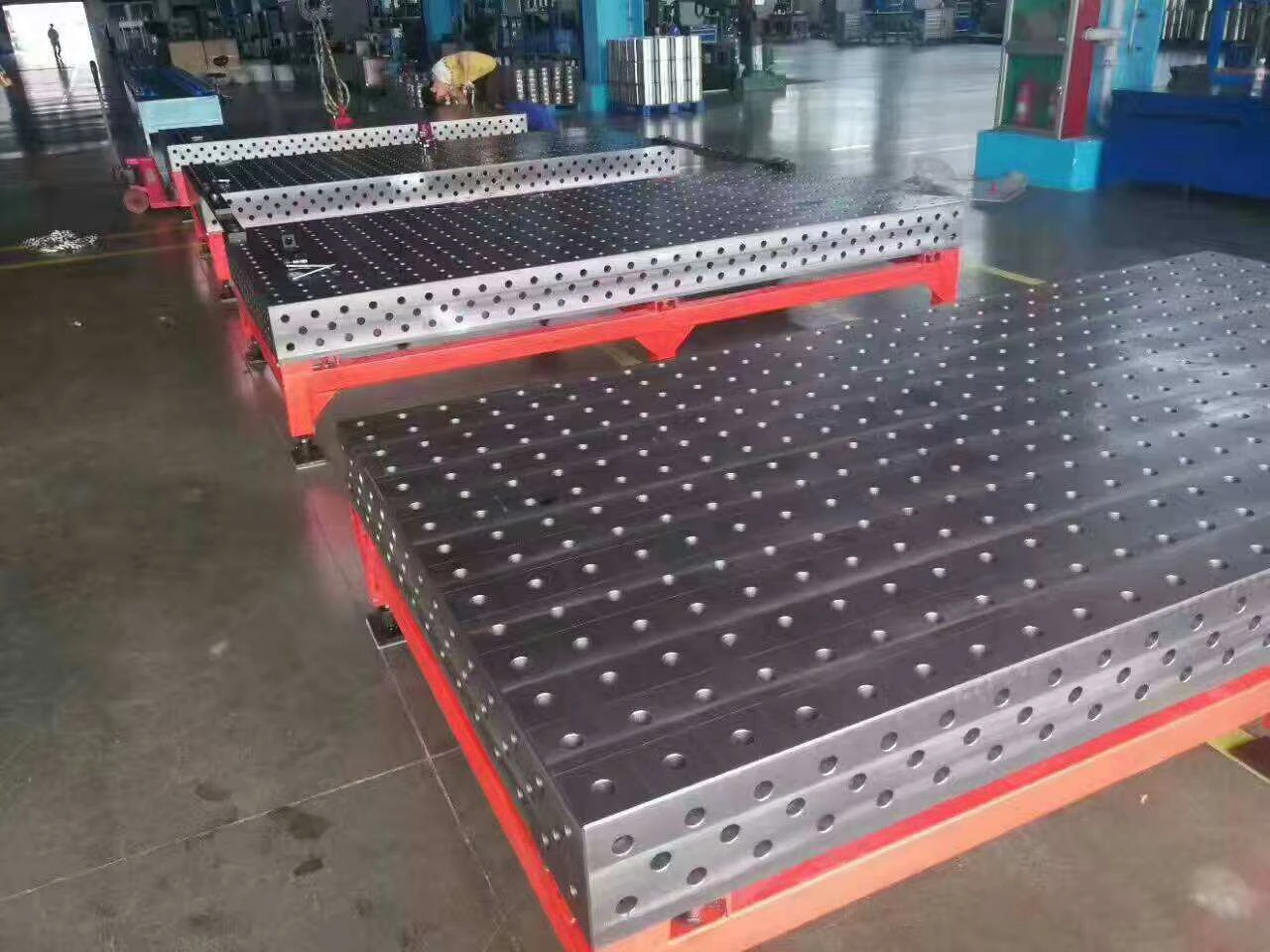
Understanding the Benefits of a Large Welding Table A large welding table is an essential asset in any metal fabrication workshop, offering a solid, stable foundation for various welding processes. The dimensions and sturdiness of the table significantly impact the efficiency and precision of welding tasks, making it a vital piece of equipment for both amateur hobbyists and professional welders. One of the primary advantages of a large welding table is its ability to accommodate large workpieces. In industries such as automotive, construction, and fabrication, pieces often come in substantial sizes, which can be challenging to manage without adequate support. A spacious table provides ample room to lay out materials, reducing the risk of warping and ensuring that all components can be accessed easily. This convenience allows for better alignment and fit-up during the welding process, thus enhancing the overall quality of the final product. Furthermore, a large welding table often features a flat surface that is critical for achieving accurate welds. Uneven surfaces can lead to misalignment, which may cause defects in the weld . A well-constructed table, often made from heavy-duty materials such as steel, offers not only durability but also the necessary flatness to ensure precision. Additionally, many modern welding tables come with integrated clamping systems or T-slots that facilitate the secure positioning of materials, further contributing to a higher standard of work. large welding table Another significant benefit of a large welding table is the increased safety it provides. A spacious environment reduces clutter, allowing welders to have a clear view of their project and surroundings. This minimizes the risk of accidents, as it becomes easier to maneuver without the threat of bumping into equipment or materials. Moreover, a substantial table surface helps to manage heat dispersion during the welding process, reducing the likelihood of accidental burns or fires. In addition to practical advantages, a large welding table enhances the versatility of a workshop. With adequate space, welders can tackle various projects simultaneously, increasing productivity. Whether working on larger structures or smaller components, having a dedicated workspace allows for seamless transitions between different tasks. Additionally, the table can double as a workstation for other fabrication processes, such as cutting, grinding, and assembly, making it an invaluable part of the overall workflow. Despite their many benefits, it is essential to consider the proper maintenance of large welding tables. Regular cleaning and inspection for any signs of wear or damage are critical to maintaining the integrity of the table and ensuring a safe working environment. Utilizing protective coatings can help prevent rust and damage from heat or sparks, prolonging the table's lifespan. In conclusion, a large welding table is more than just a surface; it is a fundamental tool that enhances the quality, safety, and efficiency of welding operations. Investing in a robust, spacious table provides a stable foundation for successful projects while also accommodating the growing demands of any modern fabrication workshop. Whether you are a dedicated professional or an enthusiastic hobbyist, a large welding table is a worthwhile addition to your workspace.
-

High quality industrial productsagement

High quality industrial products
View Details -

Meet the diverse needs of customers

Meet the diverse needs of customers
View Details -

Strict quality control

Strict quality control
View Details -

Top raw materials

Top raw materials
View Details -

Trusted supplier

Trusted supplier
View Details
Our application


news and information
Various Types of Micrometers and Their Applications in Precision Measurement
Types of Micrometers A Comprehensive Guide Micrometers are precision measuring instruments commonly
Y Type Strainer Cleaning Procedures
In industrial fluid systems, Y type strainers are essential components that effectively filter out i

Water Control Valve - Precision Flow Management Solutions
Understanding Water Control Valves A Key Component in Fluid Management Water control valves are esse
 English